

The short answer
DJI Neo offers the lowest-friction introduction. Flip adds a fuller travel workflow; Mini 4 Pro suits buyers committed to aerial photography.
Decide whether you want a selfie tool or a flying camera
Neo is the easiest starting point for short personal clips where minimum size matters. Flip is a better step toward planned travel shots with a controller. Mini 4 Pro suits someone ready to learn exposure, framing, flight planning, and the limits of obstacle sensing rather than only automated capture.
Practice recovery before chasing a shot
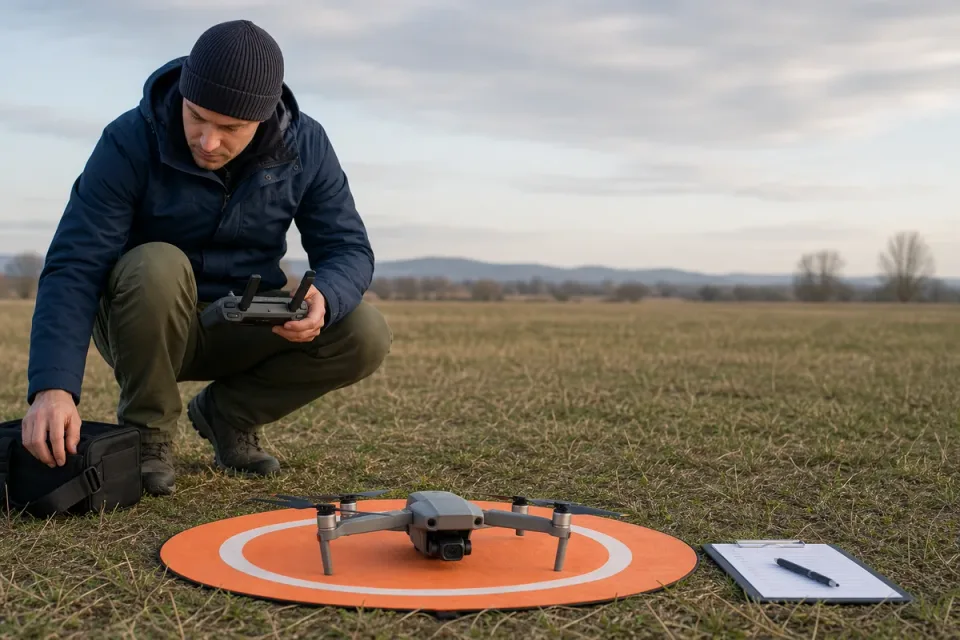
Learn orientation, stopping, return behavior, and a safe landing in an open permitted area. Propeller guards and obstacle sensors do not make flight collision-proof. Check the exact controller in the bundle and consult the FAA and the launch-site authority for the requirements that apply to your flight.
The models and their tradeoffs
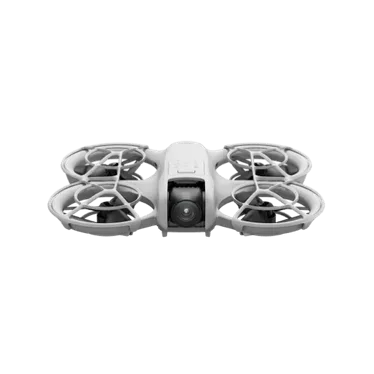
DJI Neo Fly More Combo
The DJI Neo is a small drone for simple personal clips and introductory aerial capture. Its compact airframe is appealing when setup and carrying effort would otherwise prevent you from flying.
Main limitation: Its small camera and limited sensing do not replace a larger photography drone or attentive piloting.
See the exact configuration and specifications.
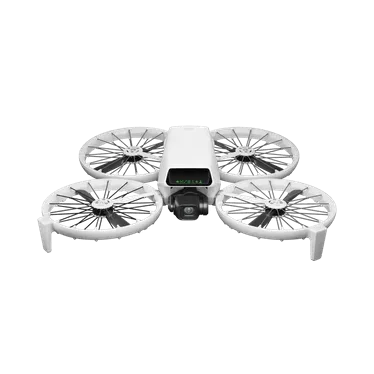
DJI Flip Fly More Combo
The DJI Flip combines folding propeller guards with a travel-oriented camera system. It is a step beyond simple personal clips for a traveler who wants approachable aerial recording.
Main limitation: Propeller guards and assistance do not make crowded locations safe or authorize a flight.
See the exact configuration and specifications.
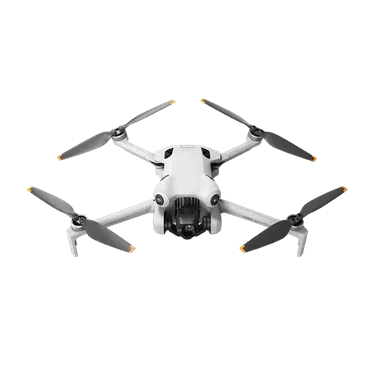
DJI Mini 4 Pro Fly More Combo
The DJI Mini 4 Pro is a compact folding drone for deliberate travel photos and conventional aerial video. It suits trips where camera control matters but pack space is limited.
Main limitation: Battery choice and accessories affect takeoff weight; sensing cannot identify every obstacle.
See the exact configuration and specifications.
How we reached this recommendation
This is an editorial comparison of the documented products and their intended uses, not a hands-on test. The manufacturer references listed below support the specifications; the recommendations describe practical tradeoffs rather than measured performance. We do not reproduce retailer prices or guarantee availability.
Compare the exact configurations
| Product | Configuration | Before you choose |
|---|---|---|
| DJI Neo Fly More Combo | DJI Neo with RC-N3 remote controller, three Intelligent Flight Batteries, and Two-Way Charging Hub | Check exactly which controller and batteries the Neo Fly More package includes for the US market. |
| DJI Flip Fly More Combo | DJI Flip with DJI RC 2 screen remote controller, three Intelligent Flight Batteries, charging hub, and shoulder bag | Verify the RC 2 controller bundle, battery count and applicable FAA and local flight conditions. |
| DJI Mini 4 Pro Fly More Combo | DJI Mini 4 Pro with DJI RC 2 and three standard Intelligent Flight Batteries | Distinguish the RC 2 Fly More kit from other controllers and standard versus Plus battery bundles. |
Five key takeaways
- Neo suits short personal clips and a minimal carried kit.
- Flip adds a more developed camera workflow; Mini 4 Pro rewards deliberate control.
- Practice stopping and landing before relying on automated movements.
Frequently asked questions
Is obstacle sensing a substitute for learning to fly?
No. Thin branches, wires, poor light, and approach direction can defeat sensing. Maintain clearance and learn to stop and recover the aircraft yourself.
Should a beginner buy a Fly More bundle?
Extra batteries can help with practice, but compare the included controller and charging equipment. More batteries do not remove the need to plan a safe practice session.