

What do you want a second camera to change?
Imagine an evening with friends. You want a handful of pictures that feel like the evening, and you would rather spend less of it checking a screen. A small camera with limited controls might suit that plan. It might also leave you with missed moments and another device to charge.
The useful distinction is an imperfection you enjoy versus a limitation you will regret. Soft detail, unusual color and hard direct light can be deliberate choices. A camera that makes it difficult to capture the people you care about is a different proposition.
That makes the new Yashica Y16 an interesting starting point for a buying decision, rather than an automatic purchase. Ask which problem you are solving: the look of your pictures, the way you take them, or the temptation to keep checking your phone. Those problems do not necessarily need the same answer.
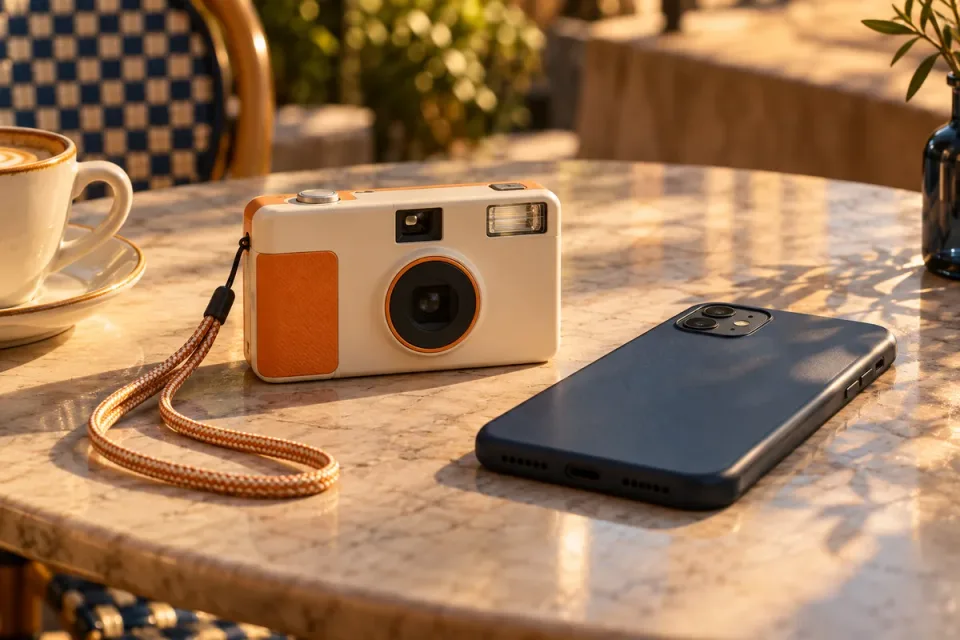
Cover: AI-generated editorial illustration. The generic camera and phone are not exact commercial models, and the scene is not evidence of a field test.
A real category, without a proven sales boom
The Yashica Y16 reuses the silhouette of a 1959 film camera in a digital device. Camp Snap and Paper Shoot make the screen-free routine central to their offers. Together, these products show several ways manufacturers are selling a different relationship with photography.
They do not establish how quickly the category is growing, which age group buys the most, or how long the interest will last. We have no verified category-wide sales dataset here. Nor does a digital filter turn a digital camera into a film camera.
Our interpretation is narrower: these devices give buyers choices about attention, handling and rendering that a specification ranking can overlook. The practical question is whether one of those choices is worth another purchase for you.
The decision matrix: look, routine or convenience?
| Option | Documented distinction | When it could fit | Limitation to accept |
|---|---|---|---|
| Yashica Y16 Pocket Camera | Optical finder, rear LCD with eye sensor, three-level xenon flash | You want a small dedicated object and direct-flash experimentation | It still has a screen; flash usefulness and overall handling need independent evaluation |
| Camp Snap 2 | No preview screen; six selectable built-in filters | You want to stop reviewing each frame during casual outings | You cannot check the result immediately; verify the exact generation and transfer path |
| Paper Shoot 20MP platform | No screen; built-in tones and optional physical filter cards | Choosing a look before capture is part of the appeal | Confirm the complete camera kit and power requirements, rather than buying a case or an older board by mistake |
| The smartphone you already own | Your existing camera, editing and sharing workflow | You mainly want a different visual treatment or less checking | A filter does not supply a separate object, optical finder or xenon flash |
These are conditional fits, not performance rankings. A useful selection can include an option you should wait for and an option that costs nothing to keep.
Yashica Y16: the finder and flash are the reason to look
Yashica’s official page describes an optical viewfinder, an eye sensor that turns off the rear LCD, and low, medium and high xenon-flash settings. Those are relevant distinctions if you want eye-level framing and a flash-oriented pocket camera. The Y16 is not screen-free.
The page currently presents it as a preorder. Before placing a US order, establish the actual shipping date, delivered total and warranty coverage. A preorder button is not proof of immediately available US stock.
Consider the Y16 if the finder, physical object and flash are what you want to explore. Wait if you need predictable results for an upcoming event. We cannot recommend its responsiveness, finder accuracy or night output from the manufacturer’s description alone.
Camp Snap 2: choose the screen-free routine
The current Camp Snap 2 page lists an 8MP sensor, six on-camera filters and USB-C charging and transfer. It showed $69.99 and a sold-out status when checked on October 18, 2026. That is a manufacturer-store snapshot, not an Amazon offer or a promise about every color.
The absence of a preview screen can make sense for a casual walk or a shared outing where reviewing each frame interrupts the experience. It also removes your chance to spot a failed picture immediately.
Consider it if less checking is the goal. Confirm generation 2: older 103, 103B and 105 models have different documentation, and CS-Pro is a separate product. Camp Snap says direct connection is intended for phones with native USB-C; older Lightning devices require a card-reader route. Verify your own device before assuming transfer will be effortless.
Paper Shoot: choose the look before you shoot
Paper Shoot’s current platform page describes 20MP files, four built-in tones, optional physical filter cards and USB-C or SD transfer. Its appeal is deciding on a treatment before making pictures, without a preview screen.
Consider Paper Shoot if that ritual sounds enjoyable in itself. Buy a complete camera configuration, not a case-only listing, and do not assume an older 18MP board has the same requirements. The manufacturer also specifies external USB-C power for video and time-lapse; this is a still-photo decision first.
The platform’s pixel count does not establish an advantage over another camera or your phone. Look at full-resolution examples from the exact generation, then decide whether you like the rendering at your intended display size. Confirm the delivered US cost rather than treating an unspecified bundle as a fixed-price alternative.
Direct flash and dark streets are different problems
A nearby person lit by a short, direct flash and a distant building photographed at night ask different things of a camera. In the first case, the light changes the subject. In the second, a small built-in flash may contribute little to the scene you want to record.
For a direct-flash portrait, foreground brightness, background exposure and reflections all influence the look. A flash can be aesthetically useful without producing flattering light in every situation. Its presence alone tells us neither the recycle time nor how consistently a camera exposes faces.
For an unlit street, you need evidence about exposure, processing, motion and detail. We have no controlled comparison establishing which selected device does that job best. Do not buy the Y16 as a night-photography upgrade simply because it has a xenon flash.
If you need dependable pictures of a birthday or a trip, keep a familiar camera available while you learn an unfamiliar one. Experimentation is easier when the only photograph of an important moment does not depend on it.
Try this before spending anything
Take your current phone or an existing compact on a short photo outing. Choose one rendering treatment, one camera view and a personal limit of 24 frames. The number is simply an exercise, not a technical recommendation. Where practical, leave notifications alone and postpone reviewing your pictures until the outing is over.
Judge the result twice: did you enjoy taking the pictures, and do you like looking at them afterward? If the exercise solves the problem, keep your equipment. If you still wanted a separate object or an eye-level finder, you have learned something a filter cannot answer.
You can also try an old compact you already own or borrow one. Check its battery condition and file-transfer method first. A used camera is not automatically a bargain once replacement batteries, a charger or a reader are needed.
Count the complete experience, not just the camera
Before buying, write down the delivered camera cost, any genuinely necessary storage or power items, and the route from camera to your usual photo library. Check who handles a return and whether the warranty applies to your US purchase. Do not add a generic accessory bundle before identifying a missing function.
The largest hidden cost may be friction. If moving files means you stop sharing or backing them up, a charming device can become an unused one. If a second object helps you leave your phone alone and make pictures you value, the same friction may be acceptable. That is a personal tradeoff, not something a megapixel count resolves.
Choose the limitation you actually want
Choose a screen-free camera if delayed review is part of the experience you want and you accept the transfer routine. Investigate the Y16 if its finder and xenon flash address a specific creative wish, with an independent evaluation still to come. Keep your smartphone if a different treatment and fewer preview checks already get you there.
There is no prize for making photography harder. Buy a lo-fi camera when its particular constraints help you make pictures you want to keep, and keep your current gear when they do not.
Transparent evidence
Method and limitations
Documentary comparison of manufacturer product and support pages, checked October 18, 2026. The decision matrix links documented design choices to possible uses and limitations. It is not a scored performance test. Product inclusion and order do not depend on commission.
- No camera in this selection was physically evaluated for this article. No comparative sample photographs, flash measurements or shutter-lag measurements are claimed.
- Manufacturer galleries are curated examples, not controlled comparisons with a smartphone.
- US inventory, delivered cost, warranty and exact Amazon listings require a fresh check before purchase. No exact US ASIN is confirmed for these candidates.
- The cover is an AI-generated editorial scene with generic equipment, not a photograph of the selected models.
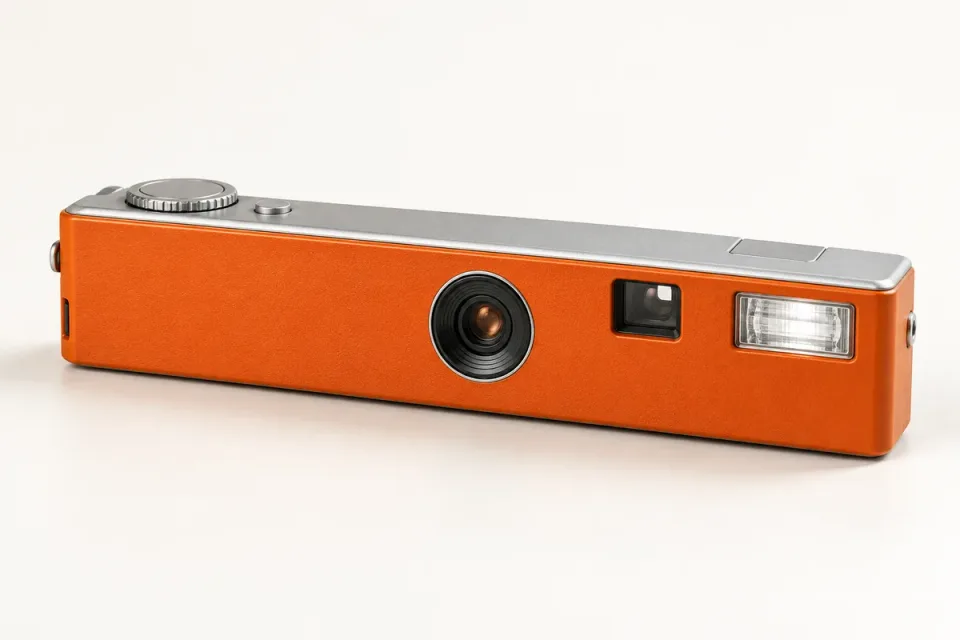
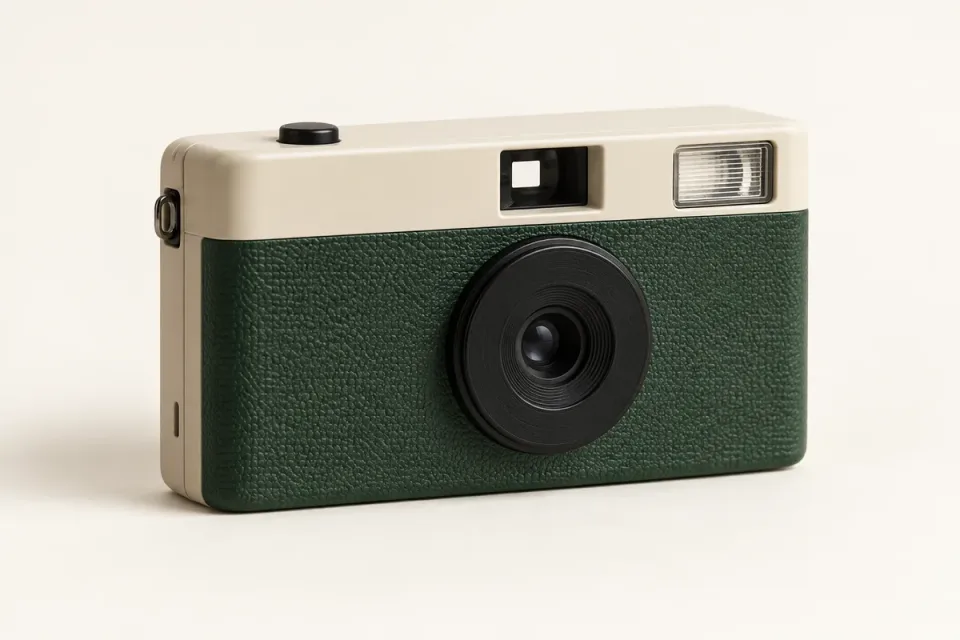
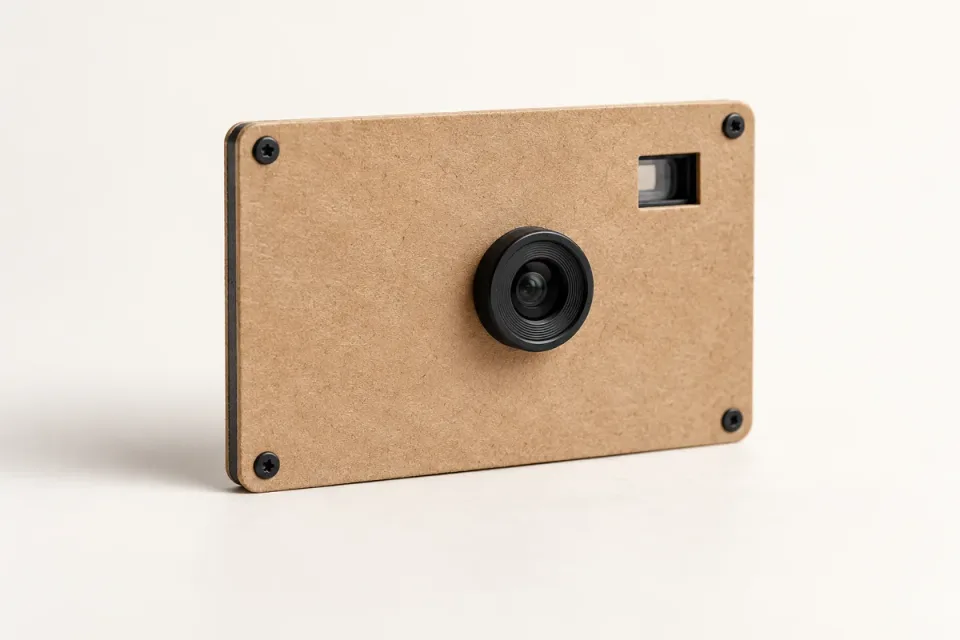
- The three equipment-card images are AI-generated conceptual illustrations. Their appearance may differ from the actual models; they are not product photographs.
Five key takeaways
- Choose the shooting experience and intended pictures before choosing a retro body.
- The Y16 has a rear screen; it is not a screen-free camera.
- A xenon flash is a useful distinction, not proof of better night photography.
- Model generations, image transfer, US delivery and return terms matter more than a nostalgic product name.
- Keep your phone if changing your habits gives you the experience you wanted.
Frequently asked questions
Will a lo-fi camera take better pictures than my smartphone?
Better depends on the intended picture. A different rendering or a more enjoyable routine can be valuable, but specifications do not establish superior image quality. This documentary comparison contains no measured camera-versus-phone results.
Is the Yashica Y16 screen-free?
No. Yashica describes an optical viewfinder and a rear LCD that switches off when the eye sensor detects the camera at your eye. Camp Snap 2 and Paper Shoot are the screen-free options considered here.
Do I need accessories to get started?
Do not order a generic accessory bundle. Verify the exact camera's included storage, power requirements and connection to your own phone or computer first. A cable that charges a device may not transfer files.
Can a phone filter reproduce the whole experience?
A filter changes rendering. It does not provide a separate physical camera, optical finder or xenon flash. Try the phone first if the look is your main goal; consider a dedicated device only if its handling solves a different need.
Primary sources
- yashica.com · Verified 2026-10-18
- campsnapphoto.com · Verified 2026-10-18
- campsnapphoto.com · Verified 2026-10-18
- papershoot.com · Verified 2026-10-18