
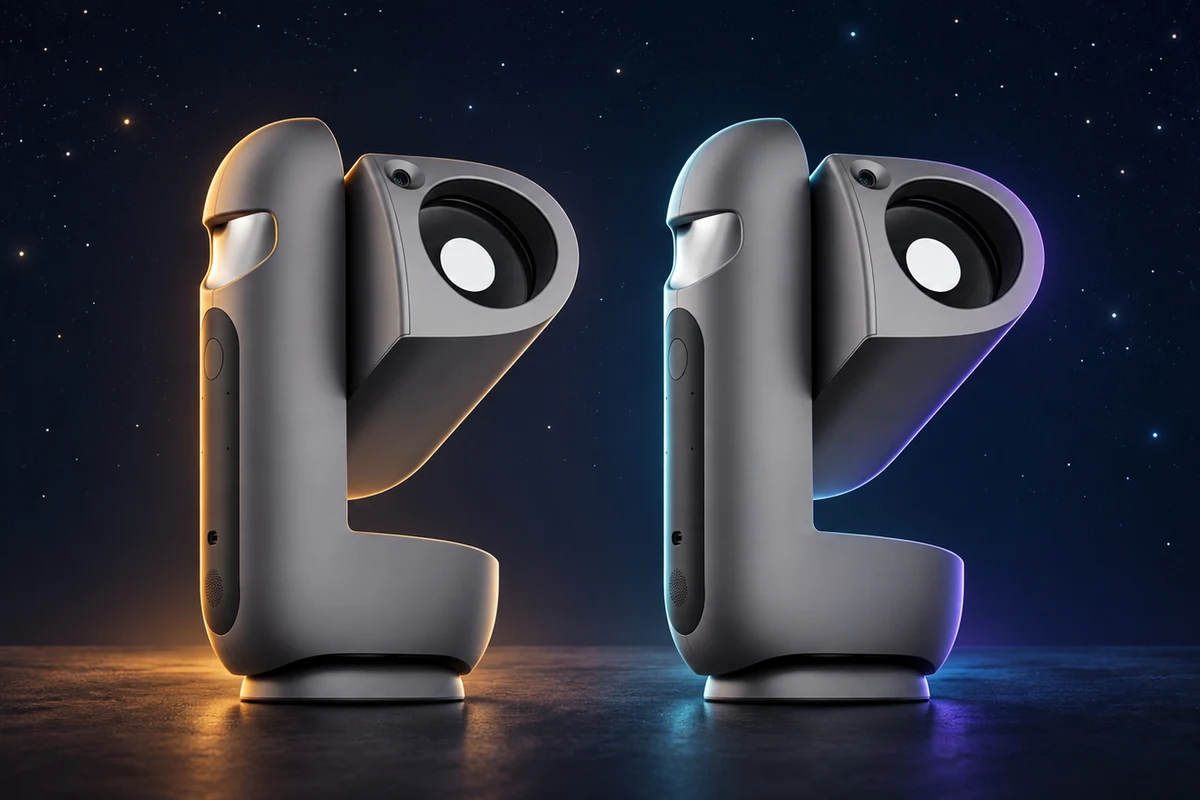
U.S. preorders are open, but edition and timing matter
DWARFLAB Draco is available for U.S. preorder in two editions: Standard at $1,299 and SHO at a $1,499 launch offer, according to the information checked on September 14, 2026. The buying decision is primarily about filters: remote solar imaging favors Standard’s built-in ND filter, while automated nebula color mapping is the reason to consider SHO.
The DWARFLAB U.S. page marks Standard as sold out. High Point Scientific still lists that edition for preorder at $1,299, with an early December 2026 arrival estimate, subject to change. Its listing says introductory pricing ends September 14 at 10 a.m. ET. Treat that as a dated offer, not a price that will necessarily remain available when you read this.
DWARFLAB estimates shipment within three months of ordering. Shipment from the supplier and arrival at your address are different milestones. If you need a telescope for a particular trip or event, obtain the seller’s latest estimate and cancellation terms before committing.
Standard vs. SHO: filters and solar constraints
The $200 difference at the quoted launch prices does not buy a larger aperture or a different telephoto sensor. It buys a different filter arrangement. These prices are not Amazon quotes and do not establish your final tax or shipping total.
| Edition difference | Standard | SHO |
|---|---|---|
| Listed U.S. amount on September 14 | $1,299 | $1,499 launch offer |
| Shared nebula filter | Built-in Hα + O III | Built-in Hα + O III |
| Distinguishing built-in filter | Solar ND | S II + O III |
| Solar preparation | Built-in ND enables remote filter selection | Included external ND must be attached in advance |
| Main reason to choose it | Integrated solar workflow | Automated sulfur, hydrogen and oxygen capture |
| Ordering constraint | Sold out at DWARFLAB; retailer preorder listed | Manufacturer preorder with a time-limited launch offer |
Both editions also include an astronomy filter. DWARFLAB describes SHO as sequencing the two nebula filters and combining the captured channels automatically. That is an announced processing capability, not evidence that every nebula will produce a clean result in one session. Source: DWARFLAB’s edition comparison.
What Hα, O III, S II and ND actually do
Hα, or hydrogen-alpha, identifies a red emission line from hydrogen. O III identifies emission from doubly ionized oxygen. S II identifies emission from singly ionized sulfur. Narrowband filters select small wavelength ranges around those emissions, helping separate glowing gas from unwanted background light. They are tools for particular targets, rather than a universal improvement for every sky scene.
On Draco, both editions capture Hα and O III through a shared dual-band filter. SHO adds the second S II + O III filter. The meaningful addition is sulfur information, which a color preset alone cannot measure.
In the conventional SHO or Hubble palette, sulfur is mapped to red, hydrogen to green and oxygen to blue. These are assigned display colors, not a literal recreation of what an eye sees. NASA’s explanation of an Orion image illustrates that mapping. A striking blue-and-gold promotional image therefore cannot demonstrate resolution, noise performance or tracking accuracy by itself.
ND means neutral density: the solar filter reduces incoming sunlight. It serves a different purpose from a nebula emission filter. Standard’s integrated solar filter is the convenience advantage for remote operation; SHO needs its supplied external solar filter installed locally beforehand.
For solar imaging, follow DWARFLAB’s instructions for the exact edition and check the specified filter is correctly fitted and undamaged before pointing at the Sun. Do not substitute an ordinary photographic ND filter or assume the Hα + O III nebula filter provides solar protection.
Shared specifications: what the numbers mean
These specifications come from the supplied brief and DWARFLAB’s product information. They describe the announced system, not measured performance in our use.
| Shared specification | Announced value | Buying implication |
|---|---|---|
| Aperture | 90mm | No aperture advantage for SHO over Standard |
| Telephoto camera | 1/1.3-inch sensor; 50MP; 1,200mm equivalent | Equivalent focal length describes framing, not a 1,200mm physical focal length |
| Deep-sky readout | 2×2 binning; approximately 12MP; 2.4 µm effective pixels | Do not equate the 50MP sensor headline with deep-sky output resolution |
| Wide-angle camera | 23.3mm equivalent | A second view for broader sky scenes |
| Tracking | Equatorial mode and integrated autoguiding | Setup and conditions still matter |
| Single exposure | Up to 300 seconds | A maximum setting, not a promise of consistently usable frames |
| Battery | Up to five hours | Plan around a claimed ceiling, not guaranteed all-night operation |
| Export | JPG, PNG, TIFF or FITS | Sharing and external processing options |
| Body weight | 5.5kg, approximately 12.1lb | Add support, transport and accessories to your carrying plan |
Binning groups a two-by-two set of pixels, trading output resolution for larger effective sampling units. It does not turn the sensor into a physically larger chip. Likewise, a long exposure setting cannot tell you how much useful detail will survive wind, sky brightness, tracking errors or processing.
Draco vs. Seestar: compare a specific kit, not a headline
“Draco vs. Seestar” is an understandable shopping question, but Seestar is a family rather than one specification. Choose the exact model you are considering, then compare the complete setup: carrying weight, usable field of view, filter workflow, file export, delivery timing and total cost.
Our Seestar S50 vs. DWARF 3 comparison covers those older models; its conclusions do not establish Draco’s performance. The beginner smart-telescope guide can help frame the decision. There is no Draco side-by-side test here, and no basis for declaring a winner from promotional images.
Accessories worth considering before spending more
Start with the order contents. DWARFLAB’s SHO package lists a protective carrying case, tripod and external ND filter. Check the exact bundle before paying for duplicates.
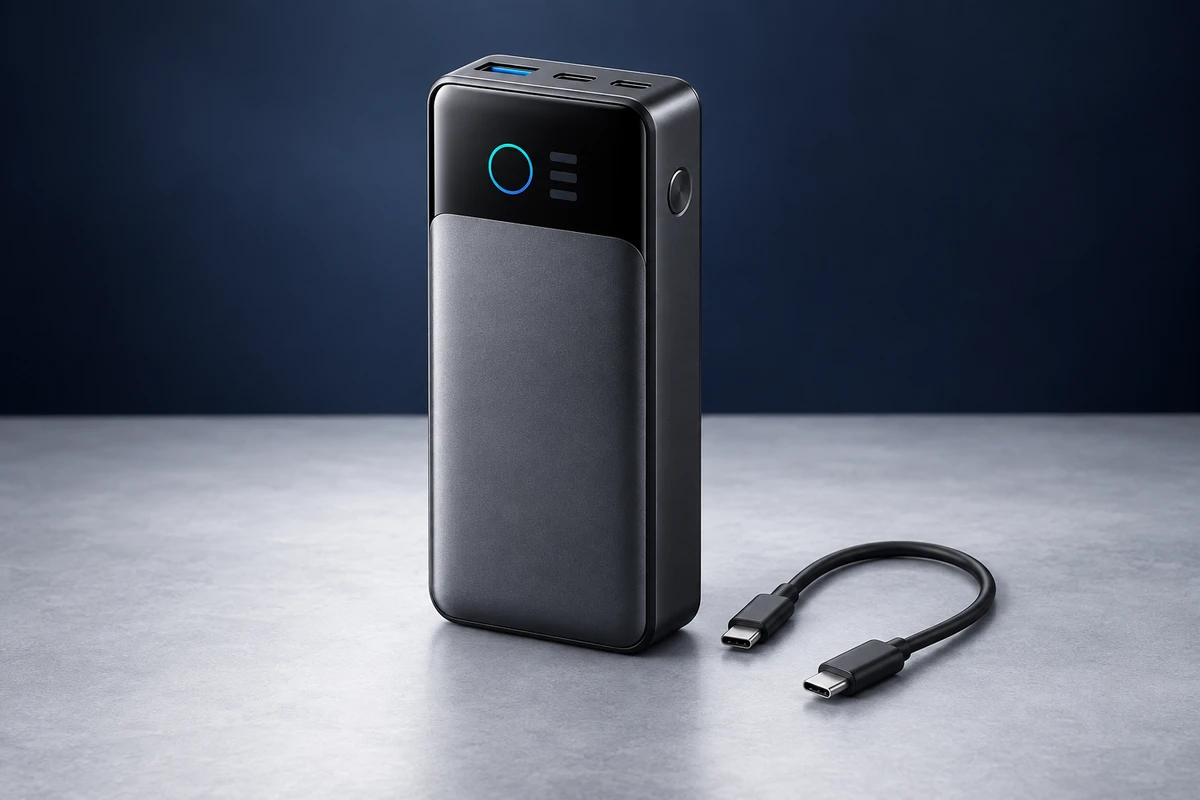
Phone power: the Anker 737 Power Bank (PowerCore 24K) is a candidate for a compatible phone used to control the telescope. Anker specifies 24,000mAh and USB-C outputs. Confirm the phone and cable combination. We have not verified direct Draco power compatibility or calculated additional telescope runtime.
Transport: the Pelican 1615 Air offers a wheeled case format to investigate if the supplied case does not suit your travel. This is not a verified Draco fit. Compare usable internal space with the packed instrument and protective padding, and check which foam or divider configuration you are buying. A large empty case is not automatically a secure telescope transport system.
Nighttime setup: the Petzl ACTIK CORE includes red lighting. It is a practical candidate for hands-free setup; verify the generation and supplied battery, and keep brightness low around other observers.
The cards below link to verified Amazon.com product identities for the Anker 737, Pelican 1615 Air with foam in black and Petzl ACTIK CORE in black. Identity checks do not confirm stock, seller quality, delivery or Draco compatibility. No exact Amazon US ASIN is confirmed for Draco Standard or SHO, so those two cards retain clearly labeled searches that may return unrelated or older products. Use the official and retailer links above for Draco preorders.
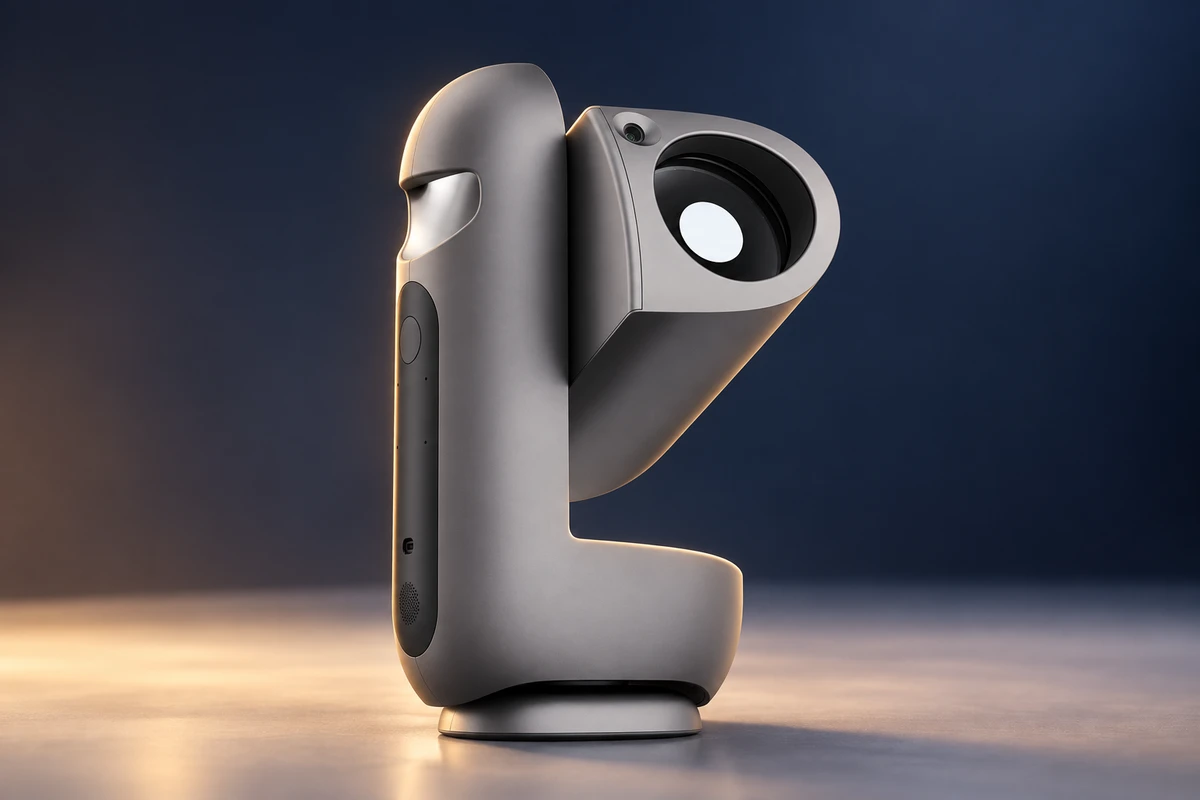
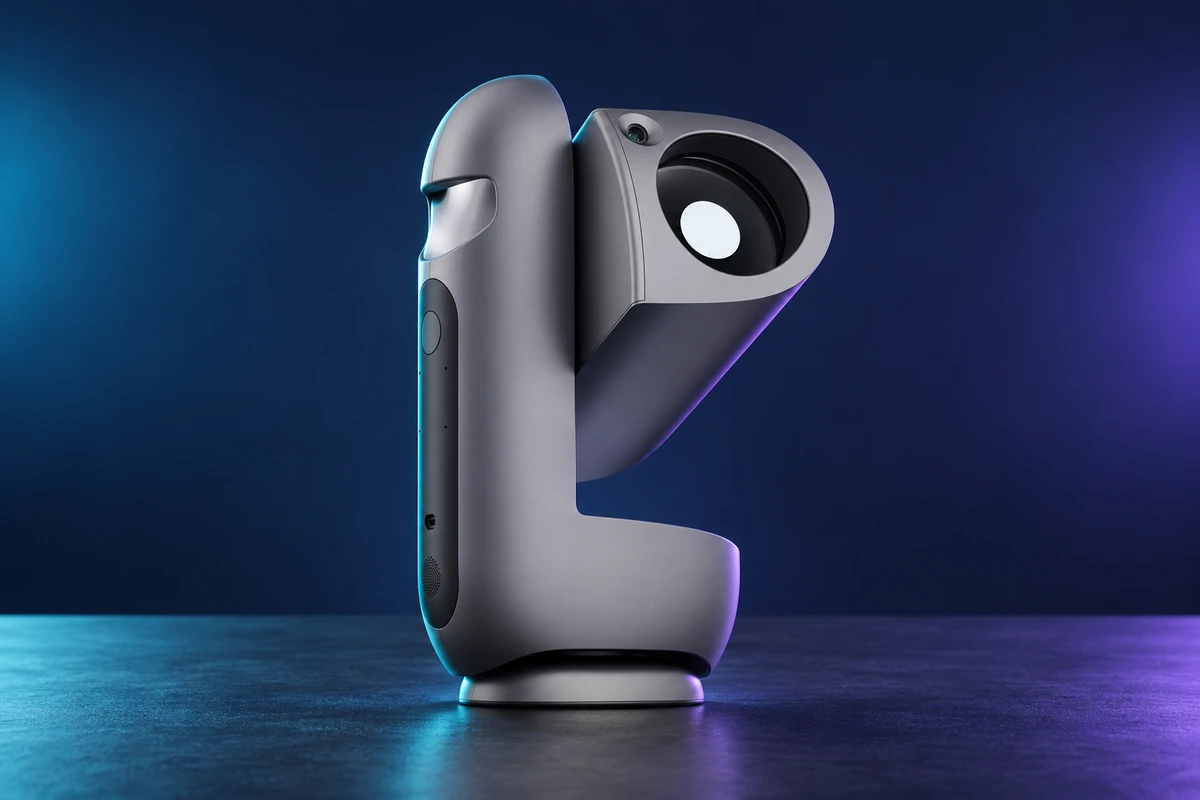
Each card uses a distinct AI-generated editorial illustration, not an exact product photograph. Accessory appearance is approximate; the visuals do not demonstrate compatibility or telescope performance.
Recommended gear
Explore the products in this guide
Review the key fit for each recommendation, then confirm the current offer and seller details directly on Amazon.
DWARFLAB
DWARFLAB Draco Standard Edition
Best for: Buyers prioritizing the built-in solar ND filter
Confirm Standard, not SHO or an older DWARF telescope. Manufacturer stock is sold out at verification; this search does not confirm an Amazon listing or preorder.
DWARFLAB
DWARFLAB Draco SHO Edition
Best for: Buyers interested in automated sulfur, hydrogen and oxygen imaging
Verify the SHO edition and included external solar ND filter. No exact Amazon listing, seller or delivery date is confirmed.
Anker
Anker 737 Power Bank (PowerCore 24K)
Backup power for a compatible control phone. Check your phone and cable requirements; direct Draco power compatibility and additional telescope runtime remain unverified.
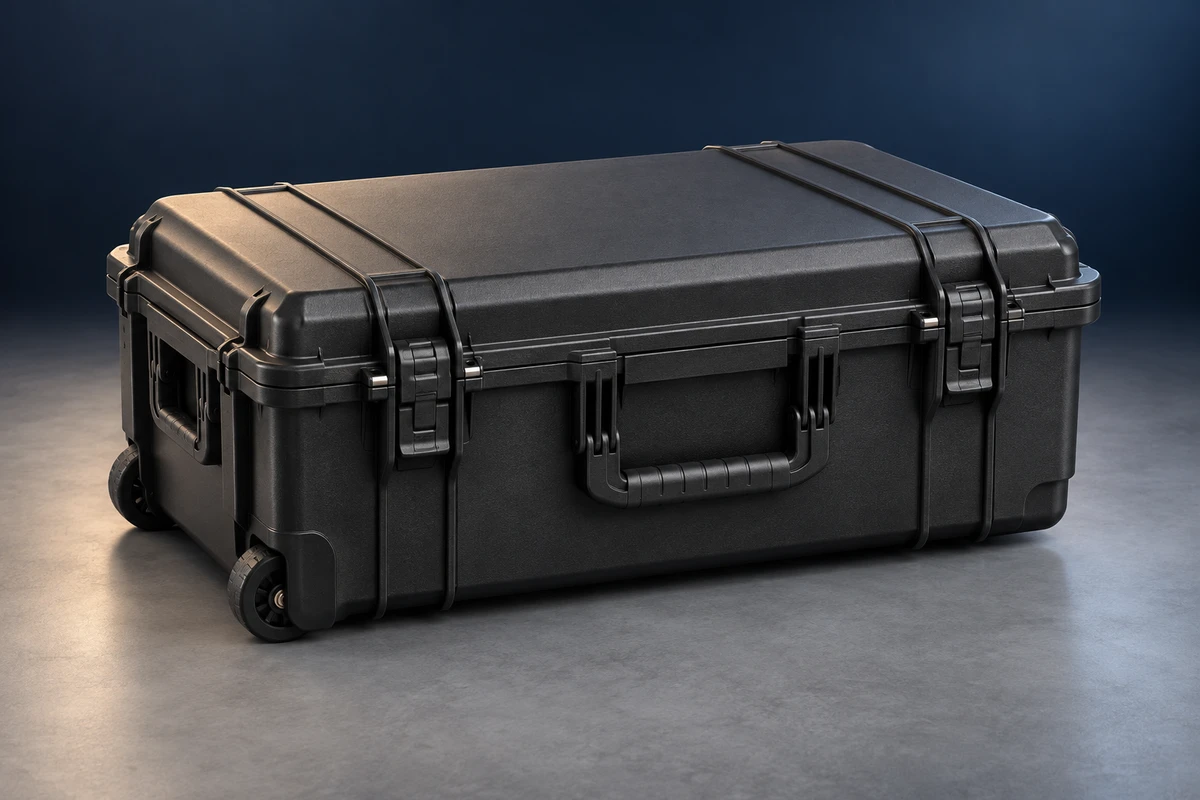
Pelican
Pelican 1615 Air Case with Foam, Black
Black wheeled case with foam. Draco fit is unverified: compare the packed instrument, padding and accessories with usable internal dimensions, and check the supplied telescope case first.
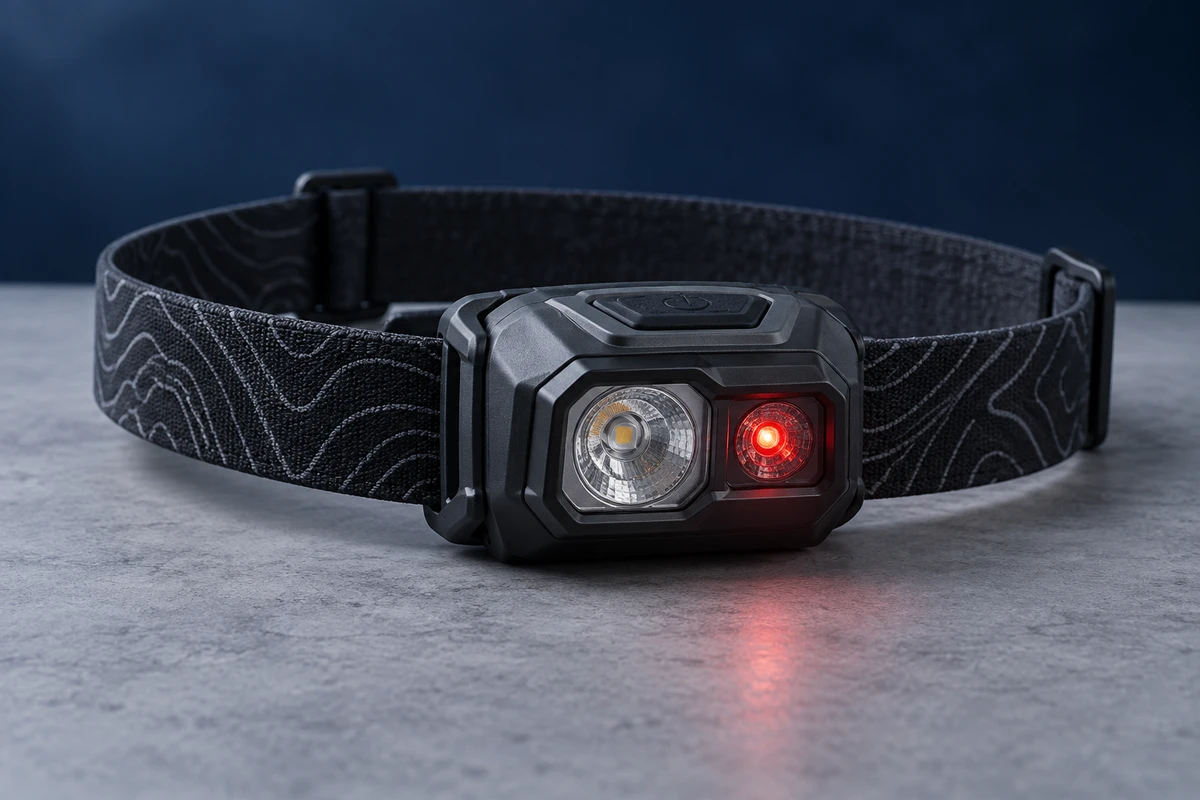
Petzl
Petzl ACTIK CORE, Black
Rechargeable black headlamp with red lighting for nighttime setup. Check the selected generation and included battery; keep brightness low around other observers.
Transparent evidence
Method and limitations
Documentary first look based on the supplied September 14 editorial brief, DWARFLAB's US product page, High Point Scientific's preorder listing and the linked primary accessory and NASA sources. Buying guidance is editorial interpretation, not a field test.
- Image quality, guiding accuracy, long-exposure success, runtime and automatic SHO processing have not been independently verified by Senkōra.
- Prices are dated manufacturer or retailer observations, not Amazon prices or guaranteed checkout totals. Delivery estimates can change.
- Accessory fit and direct external power compatibility with Draco remain unverified.
- The cover and product cards use AI-generated editorial illustrations with approximate appearance. Lighting colors are artistic choices, not physical differences between editions. These are not product photographs, evidence of fit or telescope output.
Five key takeaways
- The edition choice changes the filter workflow, not the 90mm aperture.
- Both editions include Hα + O III; SHO adds sulfur data through S II + O III.
- SHO solar imaging requires its external ND filter to be fitted before use.
- The 300-second exposures, integrated guiding and five-hour maximum runtime are manufacturer claims.
- Exact Amazon US listings are verified for three accessories; Draco Standard and SHO retain labeled search links.
Frequently asked questions
What is the difference between Draco Standard and SHO?
The shared optics are unchanged. Standard has a built-in solar ND filter. SHO substitutes an S II + O III filter for automated nebula imaging and includes an external solar ND filter that must be attached before solar use. Both have Hα + O III.
When will Draco ship in the United States?
DWARFLAB estimates shipment within three months of ordering. High Point Scientific lists early December 2026 arrival, subject to change. Neither is a guaranteed delivery date to your address.
Does Draco record 50MP deep-sky images?
Its telephoto sensor is specified at 50MP, but the advertised deep-sky mode uses 2×2 binning and produces approximately 12MP files with 2.4-micrometer effective pixels.
Is Draco better than a Seestar?
There is no Senkōra side-by-side Draco test. Compare a specific Seestar model, total carrying weight, filter workflow, delivered cost and actual availability before deciding. Promotional images do not establish a winner.
Primary sources
- dwarflab.com · Verified 2026-09-14
- highpointscientific.com · Verified 2026-09-14
- nasa.gov · Verified 2026-09-14
- anker.com · Verified 2026-09-14
- pelican.com · Verified 2026-09-14
- petzl.com · Verified 2026-09-14