
The short answer
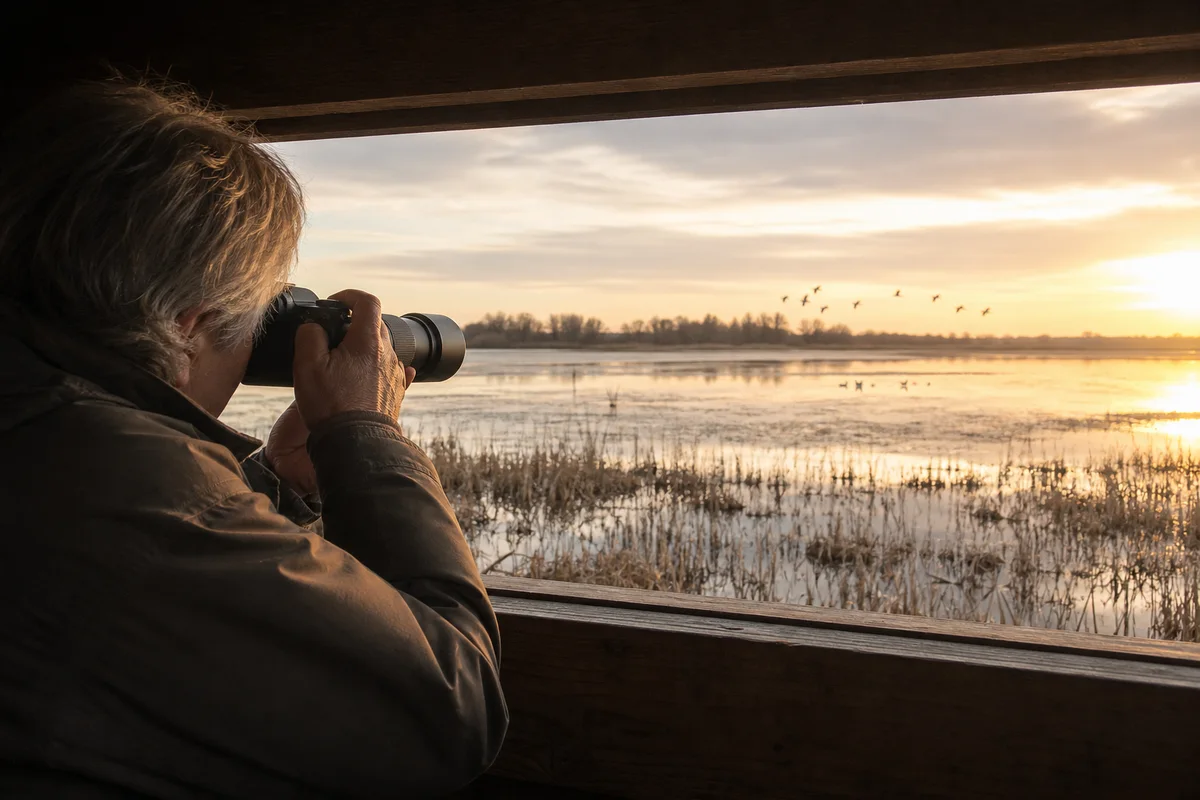
Choose EOS R10 or Nikon Z50II for an entry into a wildlife system, or EOS R7 or Sony a6700 when in-body stabilization and a more advanced workflow matter. The OM-1 Mark II is a Micro Four Thirds alternative. Budget for a compatible telephoto before choosing the body.
Choose the telephoto before choosing the body
EOS R10 and Nikon Z50II are sensible starting points when you also need to fund a wildlife lens. EOS R7 and Sony a6700 add in-body stabilization and features that reward more regular wildlife work. The short kit zooms listed with some bodies are general-purpose lenses; they do not provide the reach needed for small distant birds.
Keep the Micro Four Thirds alternative separate
OM-1 Mark II is included as a Micro Four Thirds alternative, not an APS-C camera. Consider it if its lens system and outdoor workflow suit the complete kit you want to carry. Compare autofocus controls with your intended lens, and remember that neither crop factor nor stabilization creates detail that the optics, light, and subject movement fail to record.
The models and their tradeoffs
Canon EOS R10
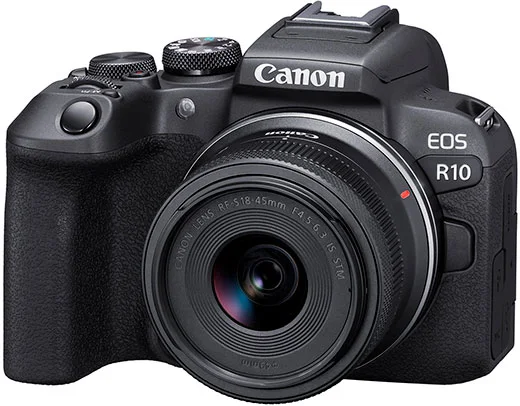
The EOS R10 offers a more substantial grip and direct controls for a traveler learning to follow wildlife. The included 18-45mm zoom covers general travel; distant birds need another lens.
Main limitation: No in-body stabilization; a wildlife telephoto adds weight and cost beyond this starter kit.
See the exact configuration and specifications.
Canon EOS R7
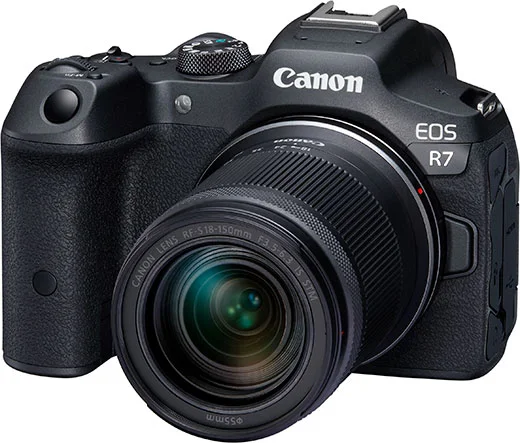
The EOS R7 is the Canon APS-C choice for photographers who put wildlife handling and in-body stabilization ahead of the smallest travel body. This is a body-only purchase.
Main limitation: A long lens, spare power and support can make the completed wildlife system much heavier than the body specification suggests.
See the exact configuration and specifications.
Nikon Z50II
The Nikon Z50II pairs a substantial grip with a side-articulating screen and access to Nikon Z lenses. The DX 16-50mm kit is a compact starting point for travel and photo/video projects.
Main limitation: The body has no in-body stabilization; use lens VR or support where the shot requires it.
See the exact configuration and specifications.
Sony Alpha 6700
The Sony a6700 brings in-body stabilization and a more advanced video workflow to a compact APS-C E-mount system. The 16-50mm comparison kit is an everyday starting lens, not a low-light specialist.
Main limitation: A brighter prime or long wildlife zoom changes both the cost and portability of this small-body setup.
See the exact configuration and specifications.
OM System OM-1 Mark II
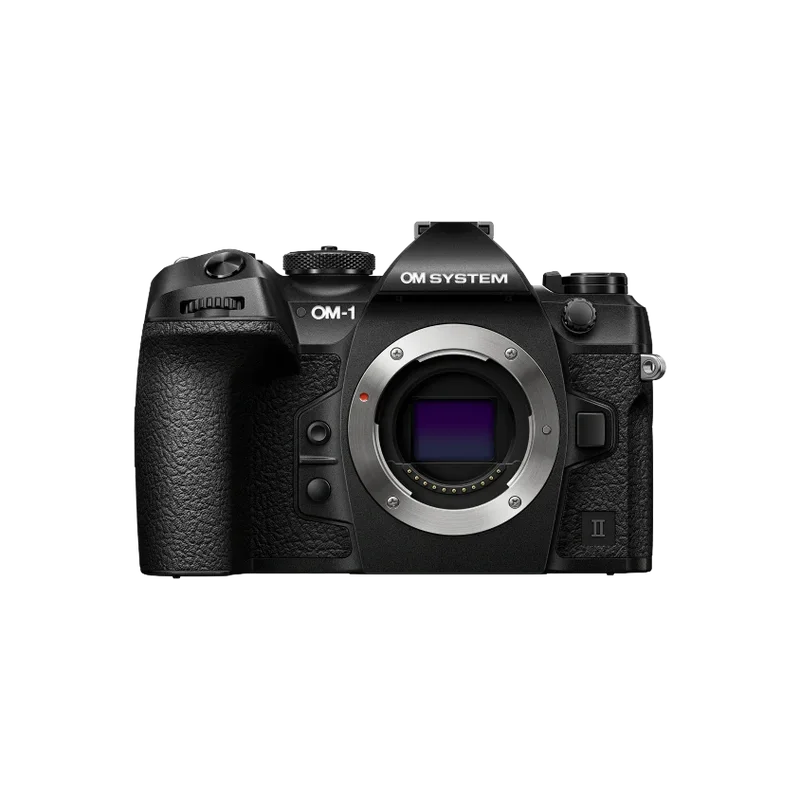
The OM System OM-1 Mark II suits outdoor photographers building a stabilized Micro Four Thirds system. It is particularly relevant when existing MFT lenses and mobile wildlife work guide the choice.
Main limitation: The 599 g body is not a pocket camera, and stabilization cannot stop a moving animal or person.
See the exact configuration and specifications.
How we reached this recommendation
This is an editorial comparison of the documented products and their intended uses, not a hands-on test. The manufacturer references listed below support the specifications; the recommendations describe practical tradeoffs rather than measured performance. We do not reproduce retailer prices or guarantee availability.
Compare the exact configurations
| Product | Configuration | Before you choose |
|---|---|---|
| Canon EOS R10 | Black body with RF-S18-45mm F4.5-6.3 IS STM kit lens | Plan the RF or RF-S telephoto separately and try the grip with that lens mounted. |
| Canon EOS R7 | Black body only | Include the intended RF telephoto, memory cards and battery plan in the purchase budget. |
| Nikon Z50II | Body with NIKKOR Z DX 16-50mm f/3.5-6.3 VR kit lens | Verify the single 16-50mm lens kit. A two-lens package is a different offer and carrying calculation. |
| Sony Alpha 6700 | Black body with E PZ 16-50mm F3.5-5.6 OSS kit lens | Distinguish the 16-50mm kit from the body-only offer and choose a bright lens separately for dim scenes. |
| OM System OM-1 Mark II | Black body only | Add the lens to the body-only offer and distinguish OM-1 Mark II from the original OM-1. |
Recommended gear
Explore the products in this guide
Review the key fit for each recommendation, then confirm the current offer and seller details directly on Amazon.
Canon
Canon EOS R10
The EOS R10 offers a more substantial grip and direct controls for a traveler learning to follow wildlife. The included 18-45mm zoom covers general travel; distant birds need another lens.
Canon
Canon EOS R7
The EOS R7 is the Canon APS-C choice for photographers who put wildlife handling and in-body stabilization ahead of the smallest travel body. This is a body-only purchase.
OM System
OM System OM-1 Mark II
The OM System OM-1 Mark II suits outdoor photographers building a stabilized Micro Four Thirds system. It is particularly relevant when existing MFT lenses and mobile wildlife work guide the choice.
Five key takeaways
- R10 and Z50II leave room to build a compatible telephoto kit.
- R7 and a6700 add in-body stabilization for a more advanced system.
- OM-1 Mark II is a Micro Four Thirds alternative, not an APS-C model.
Frequently asked questions
Is the OM-1 Mark II an APS-C camera?
No. It uses Micro Four Thirds. It appears here as an alternative system for wildlife photographers comparing complete lens-and-body kits.
Can I photograph distant birds with the included short zoom?
A standard 16-50mm or 18-45mm kit lens is a starting point for general photography. Distant birds usually require a compatible telephoto lens and a separate budget.
Primary sources
- usa.canon.com · Verified 2026-07-22
- usa.canon.com · Verified 2026-07-22
- nikonusa.com · Verified 2026-07-22
- electronics.sony.com · Verified 2026-07-22
- explore.omsystem.com · Verified 2026-07-22