
The short answer
Choose the Fujifilm X-M5 for minimum body weight in fair weather, the Sony a6700 for a stabilized compact hybrid kit, or the OM System OM-1 Mark II when outdoor controls and environmental protection are central.
What matters for this use
A hiking-video kit must remain accessible without interfering with balance, trekking poles, or scrambling. Include lens, microphone, grip, batteries, rain protection, and safe storage when comparing weight.
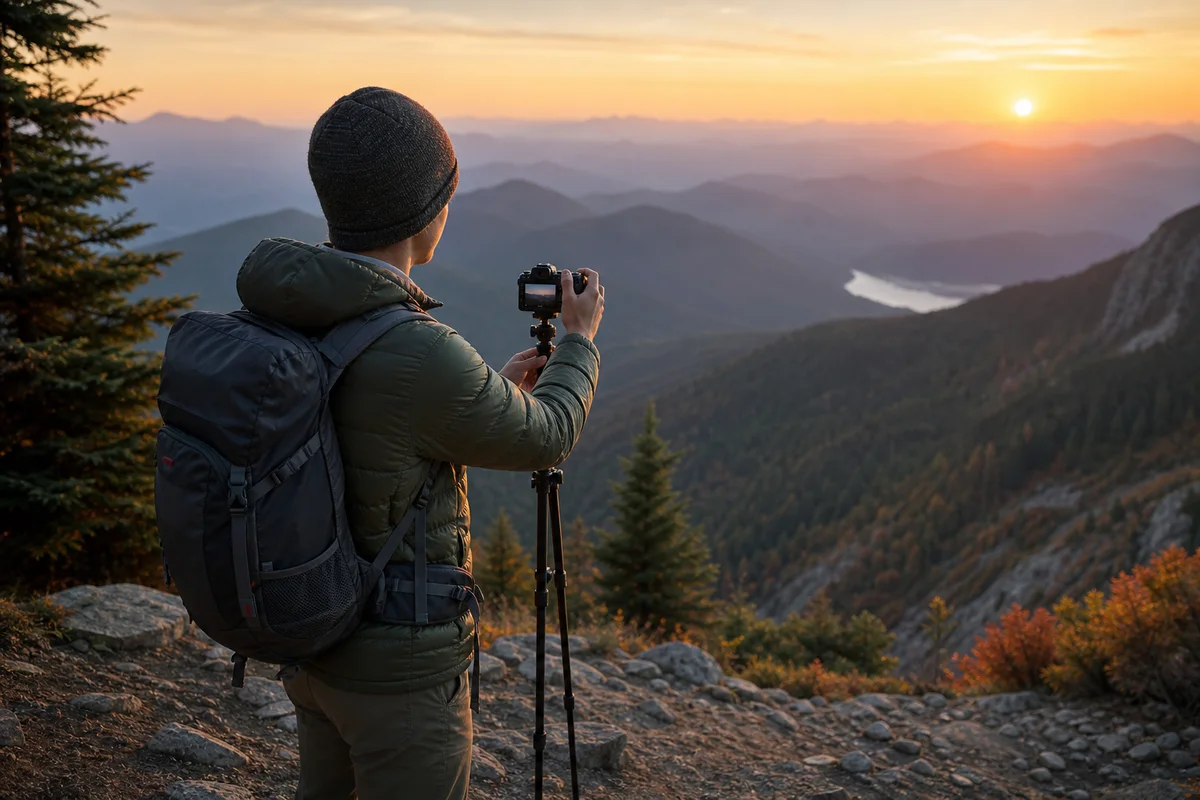
For video recorded along a hiking route, prioritize a kit you can retrieve quickly, hold steadily, and power for the day. For a stills-led outing, the general hiking camera guide gives still photography and carried trail weight priority.
| Decision factor | What to check |
|---|---|
| Framing | Lens field of view, screen articulation, and viewfinder needs |
| Stability | Lens, body, electronic stabilization, and operator technique |
| Sound | Microphone input, wind protection, monitoring, and subject distance |
| Power | Recording duration, charging method, spare-battery plan, and heat |
| Carrying | Complete kit weight, protection, and retrieval time |
Products that fit the brief
Fujifilm X-M5: minimum fair-weather body weight
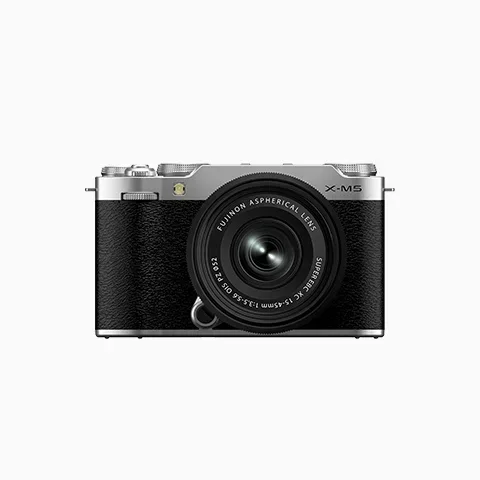
The X-M5 is relevant when minimum body weight and a screen-led video workflow dominate. The lack of a viewfinder and documented body weather sealing are meaningful trail compromises, and the microphone, lens, grip, power, and rain protection still belong in the carried total.
Sony a6700: stabilized compact system
The a6700 suits hikers who need stabilization and a system that can expand beyond a kit zoom. A larger lens or recording rig can erase the compact-body benefit, so plan the exact carried configuration and attachment method.
OM System OM-1 Mark II: outdoor-system priority
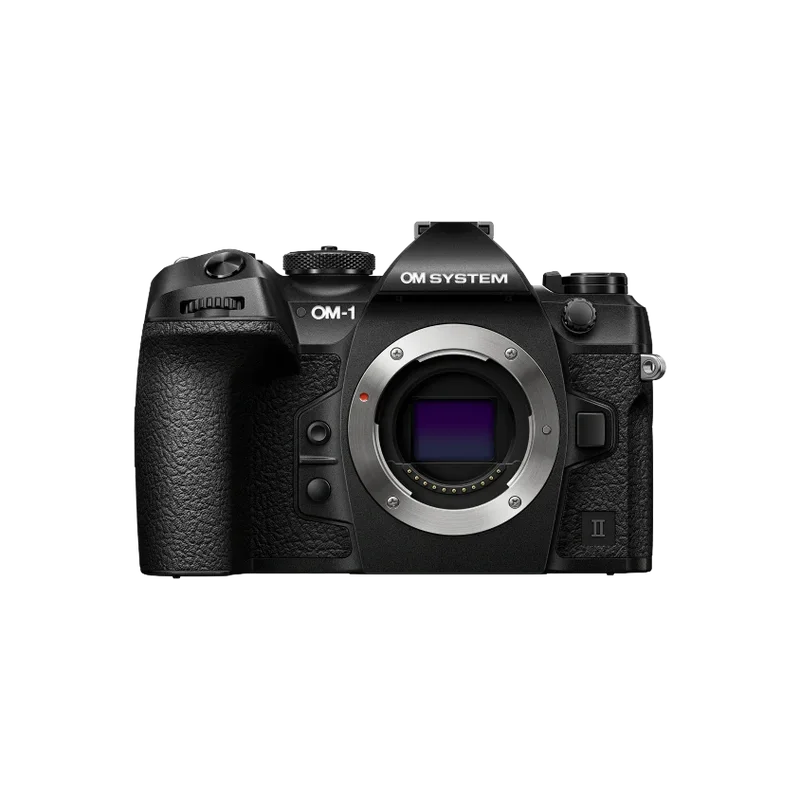
The OM-1 Mark II belongs here when documented environmental protection, stabilization, and outdoor controls justify a heavier and more expensive body. Protection depends on the complete compatible system and never makes the camera waterproof.
Important limitations
No camera is waterproof. Stay on designated surfaces, never step backward near an edge while filming, and use a tether or secure stowage where a dropped camera could endanger people or wildlife.
Methodology
Senkōra reviewed current US manufacturer documentation and retained catalog records on July 24, 2026. We did not perform a field test, measure recording duration, score image quality, or infer weather resistance beyond documented claims. Affiliate relationships do not determine the selection order.
Compare the exact configurations
| Product | Configuration | Before you choose |
|---|---|---|
| Sony Alpha 6700 | Black body with E PZ 16-50mm F3.5-5.6 OSS kit lens | Distinguish the 16-50mm kit from the body-only offer and choose a bright lens separately for dim scenes. |
| Fujifilm X-M5 | Black body with XC15-45mmF3.5-5.6 OIS PZ kit lens | Try screen visibility outdoors and confirm the XC15-45mm power-zoom kit. |
| OM System OM-1 Mark II | Black body only | Add the lens to the body-only offer and distinguish OM-1 Mark II from the original OM-1. |
Recommended gear
Explore the products in this guide
Review the key fit for each recommendation, then confirm the current offer and seller details directly on Amazon.
Fujifilm
Fujifilm X-M5
The Fujifilm X-M5 with XC15-45mm zoom is a small screen-operated system for travel photos and creator video. It is most appealing when minimum body bulk matters more than eye-level framing.
OM System
OM System OM-1 Mark II
The OM System OM-1 Mark II suits outdoor photographers building a stabilized Micro Four Thirds system. It is particularly relevant when existing MFT lenses and mobile wildlife work guide the choice.
Five key takeaways
- Trail-video weight includes the lens, sound, grip, power, protection, and safe storage.
- Stabilization does not replace safe footing or justify filming while moving through hazardous terrain.
- Wind, route duration, and weather protection are outdoor workflow constraints.
- This is an editorial evaluation of documented capabilities, not a hands-on test.
Frequently asked questions
Should I film while walking on a trail?
Only where footing, visibility, other visitors, wildlife, and terrain make it safe. Stop before framing near edges, crossings, obstacles, or technical sections.
How should I compare hiking-video weight?
Add the camera, lens, microphone, grip, batteries, weather protection, and carry attachment, then compare that load with the route and essential safety gear.
Were these cameras physically tested by Senkōra?
No. We compared official specifications and documented outdoor-workflow tradeoffs.
Primary sources
- usa.canon.com · Verified 2026-08-26
- nikonusa.com · Verified 2026-08-26
- electronics.sony.com · Verified 2026-08-26
- fujifilm-x.com · Verified 2026-08-26