
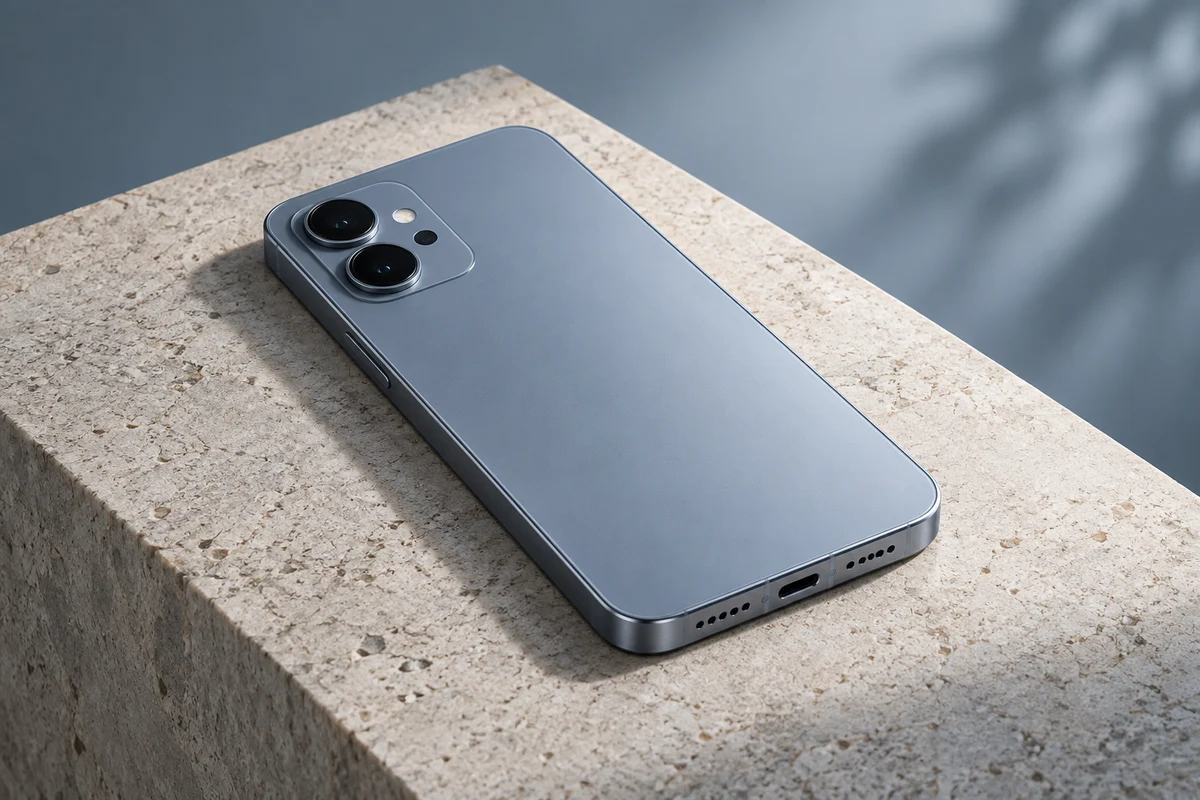
Visual guide
Match the requirement before the model
Nearby photos, restrained spending
Pixel 10a: no physical telephoto.
Travel framing and longer subjects
Pixel 10 or 10 Pro: compare the documented modules and controls.
A specific advanced video format
iPhone 18 Pro: verify lens, storage, and external-recording requirements.
A useful phone upgrade should solve a problem you can describe: needing a physical telephoto, running out of local storage, or fitting footage into a specific editing workflow. It should not depend on a promise that every new photograph will look better. This selection deliberately stays short and separates capability from demonstrated performance.
Start at Smartphone Photography & Video if you are still deciding what to carry. For recurring blur or weak distant detail, read the camera limits guide before paying for an upgrade.
The shortlist, with the exact shopping target
| US model and configuration | Best fit | Main reason | Main compromise | Budget position | Useful link |
|---|---|---|---|---|---|
| Google Pixel 10a, 128GB, unlocked | Everyday family photos with controlled spending | Main and ultrawide cameras without paying for a telephoto system | No physical telephoto; limited storage headroom | Lower | US specifications |
| Google Pixel 10, 256GB, unlocked | Travel and varied framing | A physical 5x telephoto alongside main and ultrawide modules | Smaller camera sensors than the Pro system | Middle | US specifications |
| Google Pixel 10 Pro, 256GB, unlocked | Telephoto use and more capture control | Larger documented main and telephoto sensors than Pixel 10 | Premium cost; boosted video adds workflow requirements | Upper | US specifications |
| Apple iPhone 18 Pro, 256GB, US, connect to a carrier later | Creators who need Apple’s advanced recording formats | Log, ProRes, and high-frame-rate main-camera video | Storage and external-recording complexity | Premium | US purchase options |
Manufacturer US pages listed these models at verification. That establishes a US product offering, not inventory for every color, capacity, ZIP code, or seller. Select the stated storage and unlocked configuration explicitly. Compare an outright purchase without a trade-in or service commitment; a monthly payment or carrier credit is not the same number.
Pixel 10a: spend less when most subjects are nearby
The Pixel 10a is the restrained choice here for everyday pictures and occasional clips. Its physical rear cameras are a 48MP main and 13MP ultrawide, with stabilization on the main camera. Google’s specifications list rear 4K at 30/60 fps and front 4K at 30 fps. The marketed 8x range does not add a telephoto lens. Google’s US specification page documents those limits.
Choose it when nearby people, scenery, and convenient sharing dominate. Do not choose it to solve a recurring distant-wildlife problem. The 128GB target keeps the configuration modest, but leaves less room for long trips with lots of video; a documented 256GB option exists if local storage is the constraint.
The credible step-up alternative is Pixel 10 when a physical telephoto is worth the extra spending. Keeping a functioning phone remains the alternative when neither reach nor storage is actually limiting you. This recommendation does not establish that the 10a renders skin, movement, or night scenes better than competitors; no comparative evidence is asserted.
Pixel 10: a travel choice with a physical telephoto
Pixel 10 adds a 10.8MP, 5x physical telephoto to its 48MP main and 13MP ultrawide cameras. Google documents optical stabilization on the main and telephoto modules and autofocus on the front camera. The rear video specification includes 4K at 24/30/60 fps; front recording includes 4K at 30/60 fps. See the US hardware specification.
That makes the 256GB unlocked model a practical candidate for travelers who want several framing choices in one pocket. The tradeoff is that its main and telephoto sensors are smaller than those documented for Pixel 10 Pro. Sensor specifications alone do not quantify the resulting difference in a finished photograph.
Skip it if you rarely use longer framing and your current phone already meets your needs. Pixel 10a is the lower-positioned alternative for that situation. Pixel 10 Pro is the alternative when its additional controls and camera hardware justify the premium. Neither choice eliminates the need to inspect real detail at long zoom settings.
Pixel 10 Pro: more camera hardware, with a video caveat
Google lists a 50MP main, autofocus 48MP ultrawide, and stabilized 48MP 5x telephoto, plus a front camera with autofocus. Those physical modules are the reason to consider it for a wider range of still-photo tasks. The advertised 100x setting is not a 100x physical lens. The US specification sheet separates the camera hardware from processed zoom.
The 256GB unlocked configuration is the starting point here for frequent photography. Google lists rear 4K at 24/30/60 fps and 8K through Video Boost. Treat that 8K feature as a separate processing workflow, not a guarantee of an immediately available ordinary 8K file. Google’s Video Boost instructions explain backup and processing requirements.
Choose Pixel 10 instead if the physical telephoto is enough and the Pro additions would go unused. Choose neither specifically for an offline 8K deadline without validating the whole process. This is a hardware-and-workflow recommendation; it does not rank autofocus success, noise, or color against the iPhone.
iPhone 18 Pro: choose it for a recording requirement
The iPhone 18 Pro is the candidate for creators who specifically need its documented video formats. Apple lists 4K Dolby Vision up to 120 fps on the Fusion Main camera, ProRes up to 4K120 with external recording, and Apple Log 2. The high frame rates are not promised for every lens. Its USB-C connection supports USB 3 up to 10Gb/s with an appropriate connection. Apple’s specifications give the mode restrictions.
The physical rear viewpoints include ultrawide, main, and 4x telephoto; additional “optical-quality” settings should not be counted as additional lens modules. The US model uses eSIM. Select the 256GB Pro, rather than Pro Max, and the connect-later purchase option if you want the unlocked shopping target in this guide. Verify the final order summary on Apple’s US store.
Skip the premium if you mainly make short clips for family sharing. A phone you already know is a credible alternative, and Pixel 10 is an alternative if ordinary 4K meets your workflow and changing platforms is acceptable. Newly documented features do not establish better finished footage or reliable sustained recording in heat.
Check the mode you will actually record
Resolution is only one part of the capture path. Stabilization may crop the image; a slow-motion setting may use a different camera; an HDR file may look different in an editor that handles it poorly. Test your intended lens, resolution, frame rate, stabilization setting, and output platform together. A successful default-mode clip does not validate every advanced setting.
Google’s pages list Active stabilization at 1080p for these Pixels, so do not read the ordinary 4K headline as a promise that this stronger stabilization mode is also 4K. The aggregate specifications are not a complete lens-switching matrix. If uninterrupted switching matters, verify that exact operation in the current camera app before choosing a phone for the job.
For Apple, treat external ProRes recording as a system requirement. A drive, cable, mounting method, and power plan can change how the phone handles and what else can use its port. This guide does not prescribe an unverified external drive. If ordinary compressed video is enough, starting there avoids a workflow you may not need.
Storage and transfer deserve part of the budget
Record a typical clip, check its file size, and estimate your own shooting day. Multiply by the number of days between reliable transfers, then leave working space for applications and unexpected footage. This is more informative than assuming a storage capacity guarantees a fixed number of recording hours across formats.
USB-C describes a connector, not the complete speed of a transfer. The phone, cable, destination, and software all matter. Google documents USB-C 3.2 on these models, while its included cable specification is USB 2.0. Do not assume the cable in the box realizes the port’s maximum capability. Wireless transfer may be convenient, but check it where your trip will actually happen.
Keep a second copy of important originals before clearing the phone. Open several transferred files and play their audio. A cloud thumbnail is not proof that the full original is safely available offline. For long travel days, think about charging access and the time needed to complete a backup, not merely storage capacity.
Decide whether the upgrade survives your own checklist
- Name the missing capability and the photographs or clips it would change.
- Confirm the exact US model, storage capacity, unlocked status, and warranty.
- Verify the required lens and recording mode, including application or processing dependencies.
- Check that your editor and sharing destination handle the intended files.
- Include compatible storage or audio only when your workflow requires it.
- Compare the total commitment with keeping your current phone and improving one practice.
All four phone cards use AI-generated product illustrations based on credited reference photographs or artwork, distributed under CC BY-SA 4.0. These stylized illustrations are not official product photos or test evidence. The illustrations show the model exterior, not proof of storage capacity, US connectivity, or seller inventory. Commercial destinations, when enabled by the site’s existing controls, are Amazon searches with no exact ASIN claim. A useful recommendation does not depend on finding an affiliate listing.
Compare the exact configurations
| Product | Configuration | Before you choose |
|---|---|---|
| Google Pixel 10a | 128GB unlocked US model | Confirm 128GB, unlocked US model, color and warranty. |
| Google Pixel 10 | 256GB unlocked US model | Confirm 256GB unlocked US model and recording modes in the actual app. |
| Google Pixel 10 Pro | 256GB unlocked US model, not Pro XL | Confirm Pro, not Pro XL, 256GB unlocked US configuration. |
| Apple iPhone 18 Pro | 256GB US model, connect to a carrier later, not Pro Max | Confirm 256GB Pro, unlocked status, eSIM and external-recording requirements. |
Recommended gear
Explore the products in this guide
Review the key fit for each recommendation, then confirm the current offer and seller details directly on Amazon.
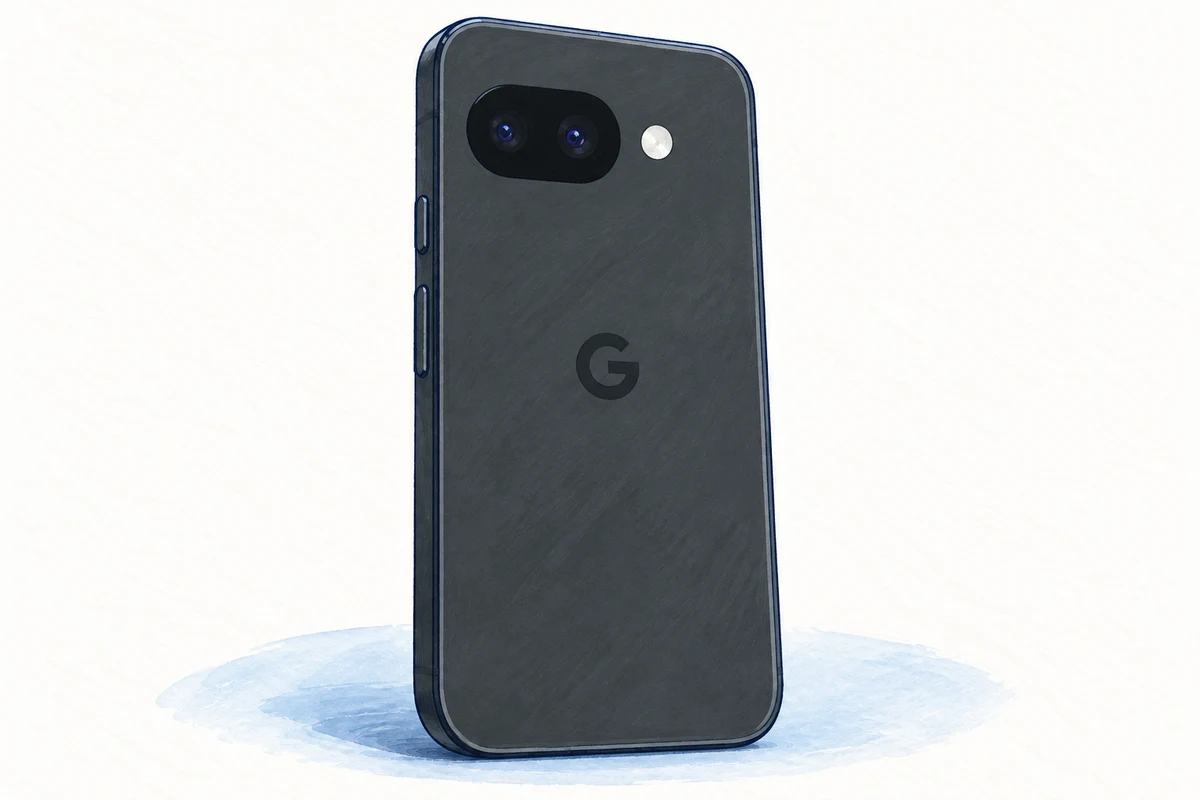
AI-generated product illustration
Based on a reference by Mliu92 · CC BY-SA 4.0. AI stylization; resized. Not an official product photo.
.svg)
Google Pixel 10a
Best for: Everyday photos
No physical telephoto. Choose storage for the whole trip.

AI-generated product illustration
Based on a reference by Mliu92 · CC BY-SA 4.0. AI stylization; resized. Not an official product photo.
.svg)
Google Pixel 10
Best for: Travel framing
Physical 5x telephoto does not guarantee detail at every digital zoom setting.

AI-generated product illustration
Based on a reference by Fabe56 · CC BY-SA 4.0. AI stylization; resized. Not an official product photo.

Google Pixel 10 Pro
Best for: Telephoto and control
8K depends on Video Boost; do not assume an immediate offline 8K workflow.
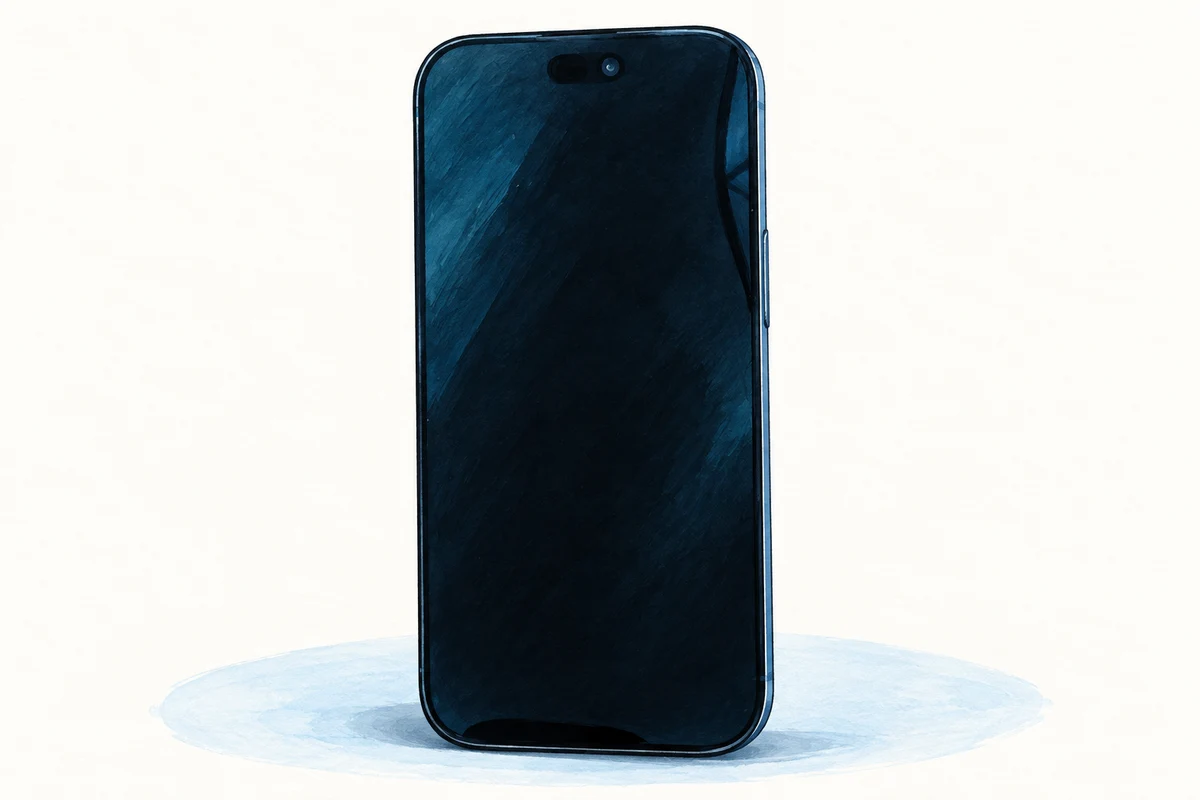
AI-generated product illustration
Based on a reference by Farragutful · CC BY-SA 4.0. AI stylization; resized. Not an official product photo.

Apple
Apple iPhone 18 Pro
Best for: Advanced video formats
Main-camera high frame rates and external ProRes require the right recording setup.
Transparent evidence
Method and limitations
US manufacturer specifications and purchase pages checked September 19, 2026. Recommendations reflect documented capabilities and workflow fit. No controlled comparative image testing, measured battery testing, or thermal testing was performed. Budget labels are relative positions in this shortlist, not retailer prices.
- The newly available iPhone 18 Pro is included for documented recording capabilities, not proven superiority over earlier phones.
- Google lists aggregate video modes rather than a complete lens-by-lens mode matrix; do not assume every mode permits every lens or live switching.
Five key takeaways
- Buy the camera functions and workflow you will use, not the largest zoom or megapixel number.
Primary sources
- store.google.com · Verified 2026-09-19
- store.google.com · Verified 2026-09-19
- store.google.com · Verified 2026-09-19
- apple.com · Verified 2026-09-19
- apple.com · Verified 2026-09-19
- support.google.com · Verified 2026-09-19